
Creating a home that nurtures both body and mind has become increasingly important as we spend the vast majority of our time indoors. With research showing that we dedicate roughly ninety percent of our lives within four walls, the spaces we inhabit profoundly influence our physical health, mental wellbeing, and overall quality of life. From the quality of the air we breathe to the light that filters through our windows, every design choice contributes to a living environment that either supports or hinders our health. Thoughtful planning and intentional design can transform a house into a sanctuary that promotes vitality, comfort, and balance.
Maximising natural light and creating bright spaces
Natural light stands as one of the most powerful elements in healthy home design, directly impacting mood, sleep patterns, and even immune function. Exposure to daylight helps regulate circadian rhythms, which govern our sleep-wake cycles and influence hormone production. When designing or reorganising your home, prioritising spaces where natural light can flood in freely makes a significant difference. Large windows, skylights, and glass doors serve as conduits for sunlight, bringing warmth and brightness into every corner. Choosing window treatments that allow maximum light penetration while offering privacy when needed creates a balanced approach. Sheer curtains, adjustable blinds, and frosted glass panels can all enhance light flow without sacrificing personal space.
Strategic window treatments and light-enhancing techniques
Beyond simply installing larger windows, strategic use of reflective surfaces amplifies the natural light already entering your home. Mirrors positioned opposite windows bounce sunlight deeper into rooms, creating the illusion of expanded space while increasing overall brightness. Light-coloured walls and ceilings further enhance this effect, as pale tones reflect rather than absorb light. Glossy finishes on furniture and décor can also contribute to a luminous atmosphere. When selecting window treatments, consider layering options that provide flexibility throughout the day. Lightweight fabrics that diffuse harsh afternoon sun can be paired with heavier drapes for evening privacy, ensuring your home remains a comfortable retreat at all hours.
Positioning Furniture to Capture Sunlight Throughout the Day
Arranging furniture with sunlight in mind encourages you to spend time in the brightest areas of your home, naturally boosting vitamin D intake and elevating mood. Placing seating areas near windows invites occupants to bask in natural light during morning coffee or afternoon reading sessions. Workspaces positioned to capture daylight can improve concentration and reduce eye strain compared to artificial lighting alone. Observing how sunlight travels through your home at different times of day allows you to optimise furniture placement for maximum benefit. This mindful arrangement not only enhances physical health but also creates visually appealing spaces that feel warm and inviting.
Incorporating greenery and biophilic design elements
The presence of plants indoors bridges the gap between interior spaces and the natural world, offering numerous health advantages. Indoor greenery improves air quality by filtering toxins and releasing oxygen, contributing to fresher, cleaner indoor environments. Studies indicate that having plants nearby can reduce anxiety and stress, with a significant majority of individuals reporting greater emotional wellbeing when surrounded by greenery. Biophilic design extends beyond potted plants to include natural materials, organic shapes, and earthy colour palettes that evoke the outdoors. Incorporating these elements fosters a sense of calm and connection to nature, which research consistently links to improved mental health.
Selecting the Best Indoor Plants for Air Purification
Certain plant varieties excel at removing airborne pollutants, making them ideal choices for health-conscious homeowners. Snake plants, for instance, convert carbon dioxide into oxygen even during nighttime hours, making them particularly beneficial in bedrooms. This hardy species also features on lists of top air-purifying plants, recognised for its ability to filter harmful chemicals from indoor air. Spider plants, peace lilies, and pothos are equally effective and require minimal maintenance, thriving in a range of lighting conditions. When selecting plants, consider both their air-purifying capabilities and their compatibility with your home's specific environment to ensure long-term success.
Creating Green Corners and Vertical Gardens in Your Home
Transforming underutilised spaces into verdant displays adds visual interest while maximising the health benefits of indoor plants. Vertical gardens mounted on walls or freestanding structures allow you to cultivate multiple species without consuming valuable floor space. Grouping plants in dedicated corners creates focal points that draw the eye and invite relaxation. Shelving units adorned with cascading vines and clustered pots bring life to hallways, bathrooms, and even kitchens. These green corners serve as miniature retreats within your home, offering spots to pause and learn more about healthy living through daily interaction with nature.
Establishing a Dedicated Mindfulness and Relaxation Zone
Carving out a space devoted to calm and contemplation provides a physical anchor for mental health practices. A designated mindfulness zone signals to your mind that it is time to slow down, breathe deeply, and release stress. This area need not be large; even a quiet corner with a comfortable cushion and soft lighting can serve as an effective retreat. The key lies in consistency and intentionality, reserving this space exclusively for activities that promote relaxation and self-awareness. Over time, simply entering this zone can trigger a sense of peace, as your mind associates the environment with tranquillity.
Essential elements for your meditation space
Creating an effective mindfulness area involves thoughtful selection of elements that support relaxation. Soft textiles such as cushions, throws, and rugs provide physical comfort, while neutral or muted colours help quiet the mind. Gentle lighting, whether from candles, Himalayan salt lamps, or dimmable fixtures, sets a soothing tone. Incorporating natural materials like wood, stone, or bamboo reinforces the connection to nature central to biophilic design. A small table or shelf can hold meaningful objects, such as inspirational quotes, crystals, or a journal for reflection. These elements combine to form a cohesive environment that invites you to pause and centre yourself amidst the demands of daily life.
Designing a Quiet Retreat Away from Household Hustle
Positioning your mindfulness zone away from high-traffic areas ensures minimal disruption during practice. Bedrooms, spare rooms, or even a secluded corner of a living room can work well, provided they offer a degree of separation from household activity. Noise reduction techniques, such as placing rugs on hard floors or hanging heavy curtains, help muffle ambient sound. If complete silence proves elusive, consider using white noise machines or gentle nature sounds to mask distractions. The goal is to create a buffer between your retreat and the rest of the home, allowing you to fully immerse yourself in relaxation without interruption.
Decluttering strategies and organisational systems
A cluttered environment often mirrors and exacerbates mental clutter, making organisation a cornerstone of healthy home design. Excess possessions and disorganised spaces can trigger anxiety and overwhelm, hindering productivity and peace of mind. Adopting a systematic approach to decluttering transforms chaotic rooms into orderly sanctuaries. Begin by evaluating each item's purpose and emotional value, letting go of things that no longer serve you. Organising what remains into logical categories and designated storage areas streamlines daily routines and reduces visual noise. This process not only clears physical space but also fosters mental clarity and a sense of control.
Implementing smart storage solutions for every room
Effective storage solutions maximise space while keeping belongings easily accessible. Built-in shelving, under-bed drawers, and multi-functional furniture such as ottomans with hidden compartments make the most of limited square footage. Labelled bins and baskets help maintain order, ensuring that everything has a designated home. In kitchens, drawer dividers and spice racks prevent jumbled utensils and ingredients from creating chaos. Bathrooms benefit from wall-mounted cabinets and organisers that keep toiletries tidy without cluttering countertops. By tailoring storage to the specific needs of each room, you create a cohesive system that supports ongoing organisation.
Maintaining a Minimalist Approach to Home Organisation
Minimalism emphasises quality over quantity, encouraging you to curate your possessions deliberately. This philosophy extends beyond decluttering to influence purchasing decisions, prompting you to acquire only items that add genuine value to your life. A minimalist approach reduces the burden of maintaining and organising excess belongings, freeing up time and mental energy for more meaningful pursuits. Clear surfaces and uncluttered rooms create a sense of spaciousness and calm, contributing to overall wellbeing. Regular reassessment of your belongings ensures that your home remains a reflection of your current needs and priorities, rather than a repository for the past.
Selecting healthy and sustainable building materials
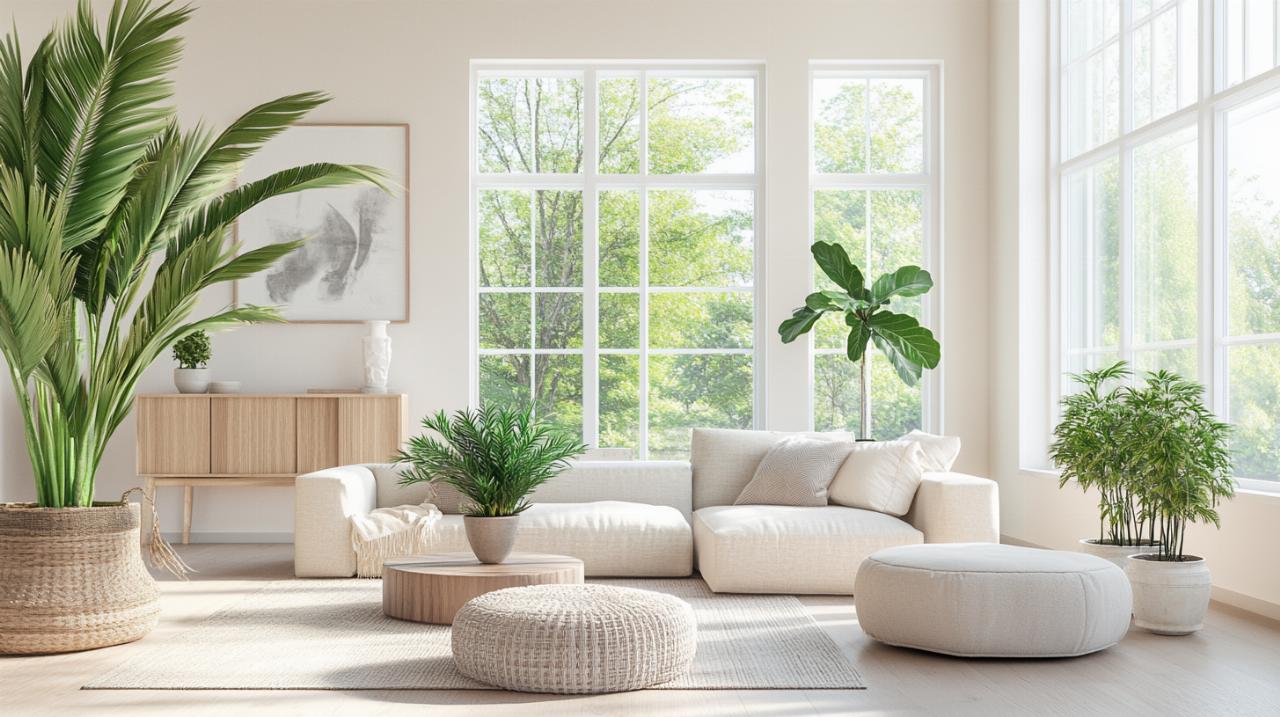
The materials used in your home directly impact indoor air quality and long-term health. Many conventional building products emit volatile organic compounds, which can cause respiratory irritation, headaches, and other health issues. Opting for low-emission alternatives safeguards your family's wellbeing while supporting environmental sustainability. Natural materials such as wood, stone, and clay offer durability and aesthetic appeal without the chemical offgassing associated with synthetic options. Sustainable textiles made from organic cotton, linen, or hemp further reduce exposure to harmful substances while promoting ethical production practices.
Understanding low-voc paints and their health benefits
Traditional paints release volatile organic compounds into the air during application and for months afterward, contributing to poor indoor air quality. Low-VOC and zero-VOC paints minimise these emissions, making them a healthier choice for interior spaces. These formulations have improved significantly in recent years, offering the same range of colours and finishes as conventional paints without compromising performance. When redecorating, selecting low-VOC options protects occupants from unnecessary chemical exposure, particularly important in homes with children, elderly residents, or individuals with respiratory sensitivities. This simple swap represents a meaningful step toward a healthier indoor environment.
Choosing eco-friendly furniture and sustainable textiles
Furniture and textiles manufactured without harmful chemicals contribute to cleaner indoor air and a reduced environmental footprint. Look for pieces constructed from solid wood, bamboo, or reclaimed materials, avoiding those made with particle board or formaldehyde-based adhesives. Upholstered items should feature natural fabrics and cushions filled with organic materials rather than synthetic foam treated with flame retardants. Certifications such as GOTS for textiles and FSC for wood signal adherence to rigorous environmental and health standards. Investing in ethically produced furnishings supports both personal health and broader sustainability goals, creating a home that aligns with your values.
Enhancing indoor air quality and ventilation
Clean air ranks among the most critical factors in a healthy home, yet indoor environments often harbour pollutants at concentrations far exceeding outdoor levels. Cooking, cleaning, and even everyday activities release particles and chemicals into the air, which can accumulate without proper ventilation. Ensuring adequate airflow dilutes these contaminants, reducing their impact on respiratory health and overall wellbeing. Combining natural ventilation with mechanical systems creates a comprehensive approach to maintaining fresh, clean air throughout your home.
Natural ventilation methods and cross-flow techniques
Opening windows and doors allows fresh air to circulate through your home, flushing out stale air and pollutants. Cross-ventilation, achieved by opening windows on opposite sides of a room or building, creates a flow that efficiently refreshes indoor air. This method works best during mild weather when outdoor air quality is good. Positioning exhaust fans in kitchens and bathrooms further enhances natural ventilation, expelling moisture and odours at their source. Regular airing, even for just a few minutes daily, makes a noticeable difference in indoor air quality, particularly in tightly sealed modern homes where air exchange might otherwise be limited.
Choosing the Right Air Purifier for Your Home
Air purifiers equipped with HEPA filters capture dust, pollen, pet dander, and other airborne particles, providing relief for allergy sufferers and improving overall air quality. These devices are particularly valuable in urban areas where outdoor pollution can infiltrate indoor spaces. When selecting a purifier, consider the size of the room it will serve and choose a model with an appropriate coverage capacity. Some units also feature activated carbon filters that remove odours and chemical vapours, offering an additional layer of protection. Regular maintenance, including filter replacement, ensures optimal performance and sustained air quality improvements.
Designing spaces that encourage physical activity
A healthy home supports not only mental and respiratory health but also physical fitness. Incorporating areas dedicated to movement and exercise makes it easier to maintain an active lifestyle without leaving the comfort of your own four walls. With a significant portion of the population working from home, the risk of prolonged sedentary behaviour has increased, making designated activity spaces more important than ever. Whether you have an entire room to spare or just a small corner, creating a functional exercise area can motivate regular physical activity.
Creating a Home Gym or Exercise Corner
Transforming a spare room, garage, or even a section of your bedroom into a home gym eliminates common barriers to exercise, such as commute time and gym fees. Equip the space with versatile tools like resistance bands, dumbbells, a yoga mat, and perhaps a stationary bike or treadmill if space allows. Mirrors mounted on walls provide feedback on form while visually expanding the area. Ensure good ventilation and lighting to create an inviting atmosphere that encourages regular use. Personalising the space with motivational posters or a sound system for energising music further enhances its appeal, making workouts something you look forward to rather than dread.
Incorporating movement-friendly furniture and active design
Beyond dedicated exercise areas, designing your home to encourage incidental movement throughout the day promotes overall health. Standing desks, adjustable workstations, and balance ball chairs engage muscles and improve posture during work hours. Arranging rooms to require a few extra steps between frequently used areas, such as placing the printer in a different room from your desk, subtly increases daily activity levels. Open floor plans that discourage sedentary behaviour and invite movement contribute to a more dynamic living environment. These small adjustments accumulate over time, supporting physical health without requiring significant effort or lifestyle changes.
Optimising your bedroom for restorative sleep
Quality sleep forms the foundation of good health, influencing everything from cognitive function to immune response. The bedroom environment plays a crucial role in determining sleep quality, with factors such as light, temperature, and noise all impacting your ability to fall asleep and stay asleep. Designing a bedroom that prioritises rest transforms it into a true sanctuary, supporting restorative sleep night after night. Thoughtful attention to these elements can address common sleep disturbances and help you wake feeling refreshed and energised.
Controlling light, temperature, and noise levels
Complete darkness signals to your body that it is time to sleep, prompting the release of melatonin, the hormone responsible for regulating sleep-wake cycles. Blackout curtains or blinds eliminate external light sources, such as streetlamps or early morning sun, creating an ideal sleep environment. Reducing exposure to blue light from electronic devices in the hour before bed further supports natural melatonin production. Temperature control is equally important, with research suggesting that cooler rooms, ideally between eighteen and twenty-one degrees Celsius, promote deeper sleep. Noise reduction techniques, including heavy curtains, rugs, and white noise machines, minimise disruptions that might fragment sleep. Addressing these three factors creates a bedroom conducive to the restful sleep essential for health.
Selecting the Right Bedding and Sleep-Enhancing Accessories
Investing in high-quality bedding pays dividends in comfort and sleep quality. Natural fibres such as cotton, linen, and wool regulate temperature and wick away moisture, preventing night sweats and maintaining a comfortable sleeping environment. Mattresses and pillows should provide adequate support while accommodating individual preferences for firmness. Hypoallergenic materials reduce exposure to dust mites and allergens, particularly beneficial for those with respiratory sensitivities. Additional accessories, such as weighted blankets or aromatherapy diffusers with calming scents like lavender, can further enhance relaxation and ease the transition into sleep. By curating a bedroom environment that addresses every aspect of comfort, you set the stage for consistently restorative rest.