
Modern life presents us with countless opportunities to reconsider how we interact with our environment, and adopting sustainable living practices has become an increasingly important aspect of everyday decision-making. Whether it involves rethinking the products we purchase, the energy we consume, or the waste we generate, making thoughtful choices can contribute to a healthier planet whilst often improving our own quality of life. Small shifts in routine, from the kitchen to the wardrobe, can collectively lead to meaningful change, and the journey towards a greener lifestyle need not be overwhelming or overly complex. With a mindful approach, anyone can begin to integrate habits that support both personal well-being and environmental stewardship.
Building Green Habits for a Healthier Planet
Establishing environmentally sound habits starts with a clear understanding of how daily actions shape our collective environmental footprint. The choices we make at home, at work, and in our leisure time all play a role in determining the amount of resources we consume and the waste we produce. By consciously evaluating these routines, it becomes easier to identify areas where change is both feasible and beneficial. The concept of sustainable living practices revolves around creating a balance that meets current needs without compromising the ability of future generations to meet theirs, and this balance requires consistent effort and awareness.
Simple daily routines that reduce your carbon footprint
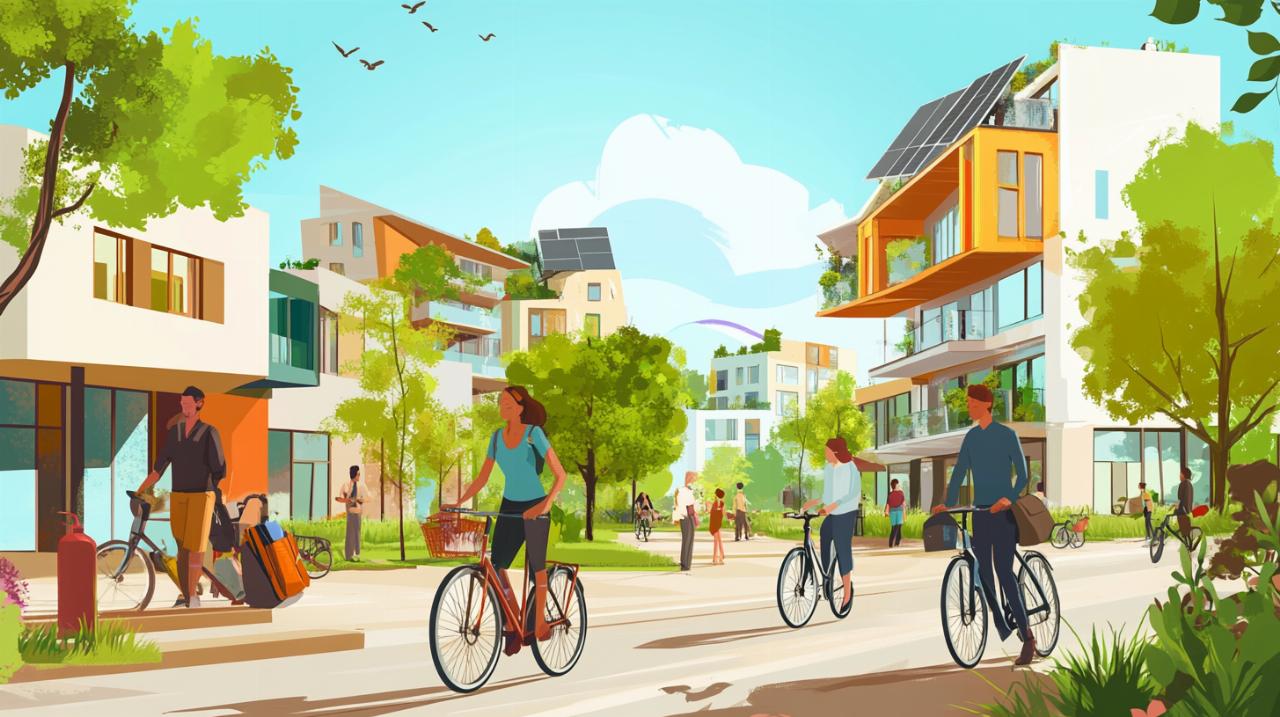
One of the most accessible ways to lower carbon emissions is through mindful transportation habits. Walking, cycling, or using public transport not only reduces reliance on private vehicles but also contributes to cleaner air and less congestion in urban areas. For those who do need to drive, maintaining a well-tuned vehicle can make a significant difference; even ensuring that tyres are properly inflated can enhance fuel efficiency, as underinflated tyres have been shown to increase fuel consumption noticeably. Beyond transportation, water conservation at home offers another straightforward avenue for improvement. Fixing leaks promptly and installing low-flow taps and showerheads can drastically reduce water waste, whilst drought-adapted plants in the garden require less irrigation and help preserve this precious resource.
Energy use within the home is another critical factor. Switching to LED light bulbs, employing smart thermostats to regulate heating and cooling, and unplugging electronics when they are not in use can collectively lead to substantial reductions in energy consumption. Appliances bearing the ENERGY STAR label are designed to use less power, and opting for these when replacing older models can result in long-term savings on utility bills. Insulating your home properly and sealing gaps around windows and doors also helps maintain a stable indoor temperature, reducing the need for excessive heating or cooling throughout the year. These measures not only lessen environmental impact but also translate into tangible financial benefits.
Creating an eco-conscious mindset through consistent practice
Developing an eco-conscious mindset involves more than occasional gestures; it requires embedding sustainability into the fabric of daily life. The concept of the five R's—refuse, reduce, reuse, recycle, and rot—provides a useful framework for rethinking consumption and waste. Refusing items that are unnecessary, such as single-use plastics or promotional giveaways, helps prevent waste from entering the home in the first place. Reducing the volume of goods purchased, especially those with excessive packaging, minimises the resources required for production and disposal. Reusing items creatively extends their lifecycle, whilst recycling ensures that materials like paper and metal are transformed into new products rather than ending up in landfill. Composting, or allowing organic matter to rot naturally, turns food scraps and garden waste into nutrient-rich soil, closing the loop on kitchen refuse.
Adopting these principles as part of a broader lifestyle shift encourages a more thoughtful approach to consumption. It prompts questions about the true necessity of a purchase, the origin of the materials, and the ethical practices of the companies behind the products. Supporting brands that prioritise environmental responsibility and social fairness reinforces positive market trends and encourages more businesses to adopt sustainable practices. This mindset also extends to advocacy and community involvement, where joining local groups or participating in environmental campaigns can amplify individual efforts and foster collective action. Voting for candidates who champion environmental policies and supporting organisations dedicated to conservation further strengthens the impact of personal choices.
Making clever sustainable choices in everyday life
Everyday decisions, from the supermarket aisle to the wardrobe, offer countless opportunities to align lifestyle with environmental values. The key lies in recognising that sustainability is not about perfection but about making better choices whenever possible. Whether it concerns food, fashion, or household goods, each purchase and habit can either contribute to or mitigate environmental harm. By prioritising quality over quantity, longevity over disposability, and transparency over obscurity, individuals can navigate modern consumer culture in a way that respects planetary boundaries.
Smart shopping strategies for environmentally responsible consumers
When it comes to shopping, thinking before purchasing is perhaps the most effective strategy for reducing waste. Asking whether an item is truly needed, whether it can be borrowed or repaired instead, and whether a secondhand option exists can prevent unnecessary consumption. The rise of secondhand markets and charity shops has made it easier than ever to find quality goods at a fraction of the cost, and this practice supports a circular economy where products are kept in use for longer. Avoiding fast fashion is particularly important, as the industry has seen consumption increase dramatically in recent decades, contributing significantly to global carbon emissions. Choosing clothing made from sustainable materials or opting for timeless pieces that can be worn season after season reduces the environmental toll of wardrobe turnover.
Food shopping also presents numerous opportunities for sustainable choices. Reducing meat consumption and incorporating more plant-based meals into the diet can lower an individual's environmental footprint considerably, as animal agriculture is resource-intensive and contributes to deforestation and pollution. Buying local produce not only supports regional farmers but also cuts down on the carbon emissions associated with long-distance transport. Selecting organic products helps avoid the use of pesticides, the annual sale of which in large quantities underscores the widespread reliance on chemical inputs in conventional agriculture. Minimising food waste through careful meal planning, proper storage, and creative use of leftovers further ensures that resources are not squandered.
Bulk buying can reduce packaging waste, and bringing reusable bags, containers, and bottles to the shops eliminates the need for single-use plastics. Choosing products with minimal or recyclable packaging signals to manufacturers that consumers value environmental responsibility, encouraging broader industry changes. Supporting ethical companies that demonstrate a commitment to sustainability, fair labour practices, and transparency reinforces positive trends and helps shift market norms. These shopping strategies, while simple, cumulatively contribute to a more sustainable economy and a healthier planet.
Practical Ways to Incorporate Green Alternatives at Home
Transforming the home into a more sustainable space does not require a complete overhaul; incremental changes can yield significant results. In the kitchen, replacing single-use items with reusable alternatives is a straightforward starting point. Swapping plastic wrap for beeswax covers, investing in a set of reusable containers, and choosing cloth napkins over paper versions all reduce waste. Composting food scraps transforms organic waste into valuable soil amendment, closing the loop on kitchen refuse and diverting material from landfill. Installing a water filter can reduce reliance on bottled water, and using refillable bottles eliminates plastic waste associated with single-use beverage containers.
Energy efficiency extends beyond appliances to include everyday habits. Washing clothes in cold water, air-drying laundry when weather permits, and running dishwashers and washing machines only with full loads conserve both energy and water. In the bathroom, switching to personal care products made with natural ingredients reduces exposure to synthetic chemicals and supports companies committed to ethical sourcing. Making DIY beauty products from household ingredients offers a budget-friendly and customisable alternative to commercial options, and many recipes require only a handful of simple components. Choosing sustainable fabrics for linens and towels, such as organic cotton or bamboo, ensures that even the textiles in the home align with environmental values.
Renewable energy sources, such as solar panels, represent a more substantial investment but can dramatically reduce reliance on fossil fuels and lower energy bills over time. Even without installing panels, many energy providers now offer green tariffs that source electricity from renewable sources, allowing households to support cleaner energy without making physical changes to their property. Insulating the home effectively and ensuring that heating systems are well-maintained further enhance energy efficiency. These practical steps, combined with a commitment to ongoing learning and adaptation, create a living environment that reflects sustainable living practices and contributes to broader environmental goals.
Embracing sustainability is an evolving process, one that benefits from curiosity, flexibility, and a willingness to experiment with new habits. The collective impact of individual actions, when multiplied across communities and nations, can drive significant progress towards a healthier planet. By building green habits, making clever choices, and remaining engaged with environmental issues, anyone can play a part in shaping a more sustainable future.